Mesothelioma Continues to Leave a Lasting Mark Across the United States, New Research Finds
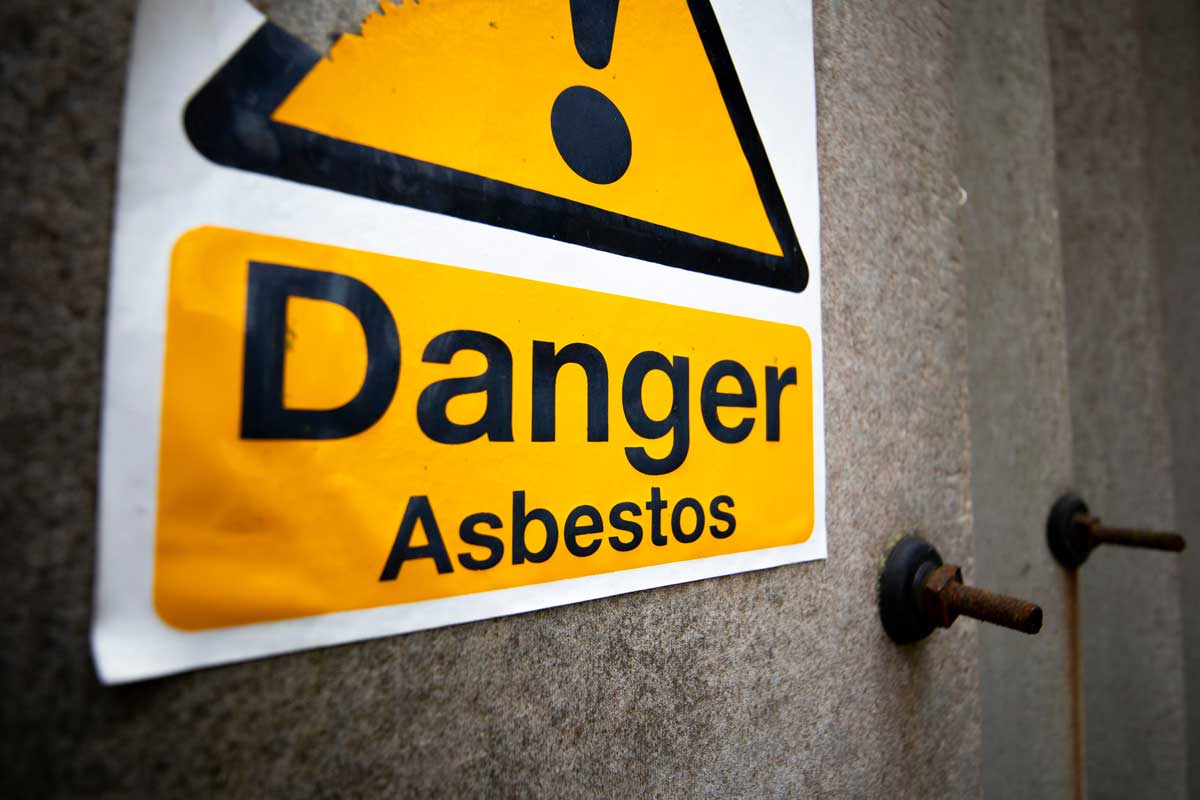
Despite decades of asbestos regulations and a significant decline in workplace exposure, mesothelioma remains a serious public health challenge in the United States. New research examining national trends from 1990 through 2023 highlights the ongoing impact of this rare but aggressive cancer and underscores why awareness, prevention, and patient support remain critically important.
Mesothelioma is caused primarily by exposure to asbestos, a mineral that was widely used for much of the twentieth century in construction materials, industrial equipment, shipbuilding, manufacturing, and military applications. Although asbestos use has decreased substantially, the disease’s exceptionally long latency period means that many people are still being diagnosed decades after their initial exposure.
The Legacy of Past Asbestos Exposure
One of the most challenging aspects of mesothelioma is that symptoms often do not appear until 20 to 50 years after asbestos fibers enter the body. As a result, individuals exposed in the 1970s, 1980s, and even earlier may only now be receiving a diagnosis.
Researchers analyzing nationwide data found that mesothelioma continues to cause a substantial number of deaths and years of life lost. While some improvements have been made in reducing occupational asbestos exposure, the disease remains a significant burden for patients, families, and healthcare systems.
The findings serve as a reminder that asbestos-related diseases are not simply historical concerns. The consequences of widespread asbestos use continue to be felt throughout the country.
Geographic Differences Remain Significant
The study also revealed notable differences in mesothelioma burden across various states and regions.
Areas with strong historical ties to shipbuilding, manufacturing, mining, and other industries that heavily used asbestos often continue to experience elevated rates of disease. These regional patterns reflect occupational exposures that occurred many years ago and demonstrate how industrial history can influence health outcomes for generations.
Understanding these geographic trends may help public health officials better target educational initiatives, screening efforts, and patient support resources in higher-risk communities.
Women Represent an Important Part of the Story
Although mesothelioma has traditionally been viewed as a disease affecting men because of occupational exposure patterns, researchers found that women continue to account for a meaningful share of cases and deaths.
Many women developed mesothelioma through non-occupational exposure, including contact with asbestos brought home on work clothing or exposure from asbestos-containing products and materials in homes and communities. These findings highlight the broader reach of asbestos-related disease and the need for continued awareness among both men and women.
Survival Challenges Persist
Treatment options for mesothelioma have advanced over the past decade, particularly with the introduction of newer immunotherapy approaches. Even so, overall survival remains poor for many patients, especially when the disease is diagnosed at a later stage.
Researchers noted that improvements in outcomes have been modest, emphasizing the need for continued investment in mesothelioma research, earlier detection strategies, and access to specialized treatment centers.
Clinical trials continue to explore new therapies that may improve survival and quality of life for patients facing this difficult diagnosis.
What These Findings Convey
The new analysis reinforces a reality that mesothelioma advocates, physicians, and patients have long understood: asbestos-related disease remains an ongoing problem rather than a closed chapter in public health history.
Because mesothelioma develops many years after exposure, today’s diagnoses often reflect workplace and environmental conditions from decades ago. At the same time, asbestos remains present in many older buildings, homes, and industrial sites, creating continued opportunities for exposure if materials are disturbed during renovation or demolition.
The study’s authors conclude that continued surveillance, prevention efforts, and support for research are essential to reducing the future burden of mesothelioma. While progress has been made in limiting asbestos exposure, the effects of past use continue to affect thousands of Americans and their families every year.
For patients and caregivers, the findings offer an important reminder that mesothelioma remains an active area of medical research and public health concern. Continued awareness and early attention to symptoms among individuals with a history of asbestos exposure may help improve access to treatment and support when it matters most.

Free Mesothelioma Patient & Treatment Guide
We’d like to offer you our in-depth guide, “A Patient’s Guide to Mesothelioma,” absolutely free of charge.
It contains a wealth of information and resources to help you better understand the condition, choose (and afford) appropriate treatment, and exercise your legal right to compensation.
Download Now