Category: Featured News

New Facebook Support Group Offers Expert Guidance and Community for People Living with Mesothelioma
A new Facebook support group is connecting people affected by mesothelioma with an experienced specialist nurse who understands the challenges that can come with this rare and overwhelming cancer.
Mesothelioma Nurse Consultation and Support (US-based) is a private Facebook community led by Mary Hesdorffer, RN, MSN, a highly experienced mesothelioma nurse who has dedicated her career to caring for people with mesothelioma and their families.
Although the group is based in the United States, patients, caregivers and family members from the UK and other countries are warmly welcome to join.
Join GroupA space for questions, support and trusted information
A mesothelioma diagnosis can leave patients and families facing difficult decisions, unfamiliar medical terminology and uncertainty about what happens next. Finding reliable information and connecting with others who understand the experience can make an important difference.
The new group aims to provide a supportive place where members can ask questions, share experiences and learn more about living with mesothelioma.
Mary Hesdorffer brings extensive specialist experience to the community. Throughout her career, she has worked closely with people affected by mesothelioma and has authored dozens of peer-reviewed medical publications. Her focus is on helping patients and families better understand their diagnosis, treatment choices, symptom management and the resources available to them.
Members of the group can ask questions about mesothelioma and receive evidence-based educational guidance, while also connecting with others who have experienced similar challenges.
Topics discussed in the group may include treatment options, clinical trials, symptom management, supportive care and practical issues that can arise during a mesothelioma journey. Members will also be able to access trusted educational resources and updates relevant to the mesothelioma community.
Mesothelioma patients and families at every stage are welcome
The group is open to people at all stages of their mesothelioma journey.
That includes people who have recently been diagnosed, those who are considering or undergoing treatment, people exploring clinical trials, long-term survivors, caregivers and family members supporting someone they love.
While the group is US-based, its emphasis on education, peer support and shared experiences means that people from outside the United States can still benefit from being part of the community.
Members can share practical advice, offer encouragement and simply connect with people who understand what it can be like to live with mesothelioma or care for someone who has it.
Join GroupA community built around respect and privacy
Because conversations about cancer can be deeply personal, the group has clear guidelines designed to keep it a safe and supportive environment.
Members are asked to be kind, respectful and supportive of one another and to respect the privacy of everyone in the community. Bullying, discrimination and personal attacks are not permitted.
Spam, fundraising and self-promotion are also restricted unless approved by the administrators. Medical misinformation will be removed or clearly identified to help maintain the group as a trusted source of information.
The group is intended to be a community where patients and families can ask questions without fear of judgement and share their experiences with others who understand.
Educational support, not a replacement for medical care
An important part of the group’s purpose is helping people find reliable information, but the information shared within the community is intended for educational and supportive purposes only.
It should not replace advice from a patient’s own healthcare team. Treatment decisions and other medical decisions should always be discussed with the doctors and specialists responsible for that person’s care.
For anyone facing a mesothelioma diagnosis, having access to both a specialist perspective and a community of people who understand the experience can be valuable.
No one should have to face mesothelioma alone
Mesothelioma can affect far more than the person receiving the diagnosis. It can change family life, create uncertainty about the future and leave caregivers with questions of their own.
The new Mesothelioma Nurse Consultation and Support Facebook group is designed to provide a place where those affected can find information, encouragement and connection.

Chemotherapy Remains Effective After Immunotherapy for Pleural Mesothelioma
A new real-world study from Germany brings encouraging news for pleural mesothelioma patients: the well-known chemotherapy combination of platinum and pemetrexed (Alimta) continues to work well even after immunotherapy. For patients wondering what comes next after first-line treatment, this research offers meaningful reassurance.
Pleural mesothelioma, most commonly caused by prior asbestos exposure, is one of the most challenging cancers to treat. In recent years, the immunotherapy combination of nivolumab and ipilimumab has become a standard first-line treatment for many patients. But until now, doctors have had limited evidence to guide decisions once immunotherapy stops controlling the disease.
There is currently no approved standard second-line treatment after first-line immunotherapy for mesothelioma. This study, published in Clinical Lung Cancer, helps fill that gap by examining what happens in actual clinical practice.
What Researchers Found
The study analyzed data from the German MesoNet registry, covering 135 patients treated at 12 cancer centers who received nivolumab and ipilimumab as their initial treatment. Key findings include:
- 42% of patients (57 out of 135) were healthy enough to receive a second round of treatment after their cancer progressed
- Among those patients, nearly three-quarters received platinum-based chemotherapy combined with pemetrexed
- Patients treated with this chemotherapy lived a median of 11.5 months after starting second-line treatment
- Cancer remained controlled for a median of 5.8 months before growing again
- 28% experienced partial tumor shrinkage, while 47% had stable disease
- Overall, 72% achieved disease control
These results are remarkably similar to outcomes seen when the same chemotherapy is used as a first treatment, suggesting that prior immunotherapy does not reduce the effectiveness of platinum and pemetrexed.
An Important Reality: Treatment Attrition
One of the study’s most striking findings was how quickly some patients became too ill for additional treatment. More than half of patients who started immunotherapy never received a second-line therapy. Their disease either progressed too rapidly and/or their overall health declined.
Only 16% of the original group went on to receive a third line of treatment. This highlights the aggressive nature of pleural mesothelioma and emphasizes why doctors often recommend planning future treatment options early, before a patient’s condition deteriorates.
Consistent Results Across Countries
Researchers compared their findings with similar studies from the Netherlands and Japan. All three reported very similar results, particularly for progression-free survival after chemotherapy. This consistency across different healthcare systems strengthens confidence that platinum and pemetrexed remain a reliable second-line option worldwide.
What This Means for Patients
While immunotherapy has transformed mesothelioma treatment, this study shows that chemotherapy still plays an important place in patient care. Rather than becoming ineffective after immunotherapy, platinum and pemetrexed continued to provide meaningful disease control for many patients.
The findings also reinforce an important lesson: because mesothelioma can progress rapidly, timely evaluation for additional treatment is essential. Patients who remain well enough to receive subsequent therapies have more opportunities to benefit from available treatments.
Limitations to Keep in Mind
This was a retrospective analysis (looking back at medical records), not a randomized clinical trial. Only 43 patients were treated with platinum and pemetrexed, limiting the strength of some conclusions. Future prospective studies are needed to determine the best sequence of treatments and identify which patients benefit most.
Several clinical trials are already underway evaluating new therapies for patients whose disease progresses after immune checkpoint inhibitors.
Source: German MesoNet registry study, published in Clinical Lung Cancer, 2026.
Exploring PIPAC for Peritoneal Mesothelioma: Can Aerosolized Chemotherapy Expand Treatment Options?
Peritoneal mesothelioma is an uncommon form of mesothelioma that develops in the thin membrane that lines the abdominal cavity. Although it represents a minority of mesothelioma diagnoses, the disease can be particularly challenging to manage because it often remains undetected until it has spread throughout the abdomen.
For patients whose cancer is confined enough to be removed, cytoreductive surgery combined with hyperthermic intraperitoneal chemotherapy (CRS-HIPEC) remains the standard treatment with the greatest potential for long-term disease control. Unfortunately, not everyone qualifies for this intensive approach. Extensive tumor spread, underlying medical conditions, or reduced physical fitness may make major surgery too risky or technically impossible.
As a result, researchers continue to investigate alternative therapies for patients with more advanced disease. One approach attracting growing interest is Pressurized Intraperitoneal Aerosol Chemotherapy (PIPAC), a technique designed to deliver chemotherapy directly to cancer deposits inside the abdomen.
A Different Way to Deliver Chemotherapy
Unlike traditional intravenous chemotherapy, which travels throughout the bloodstream before reaching tumors, PIPAC administers chemotherapy directly into the abdominal cavity.
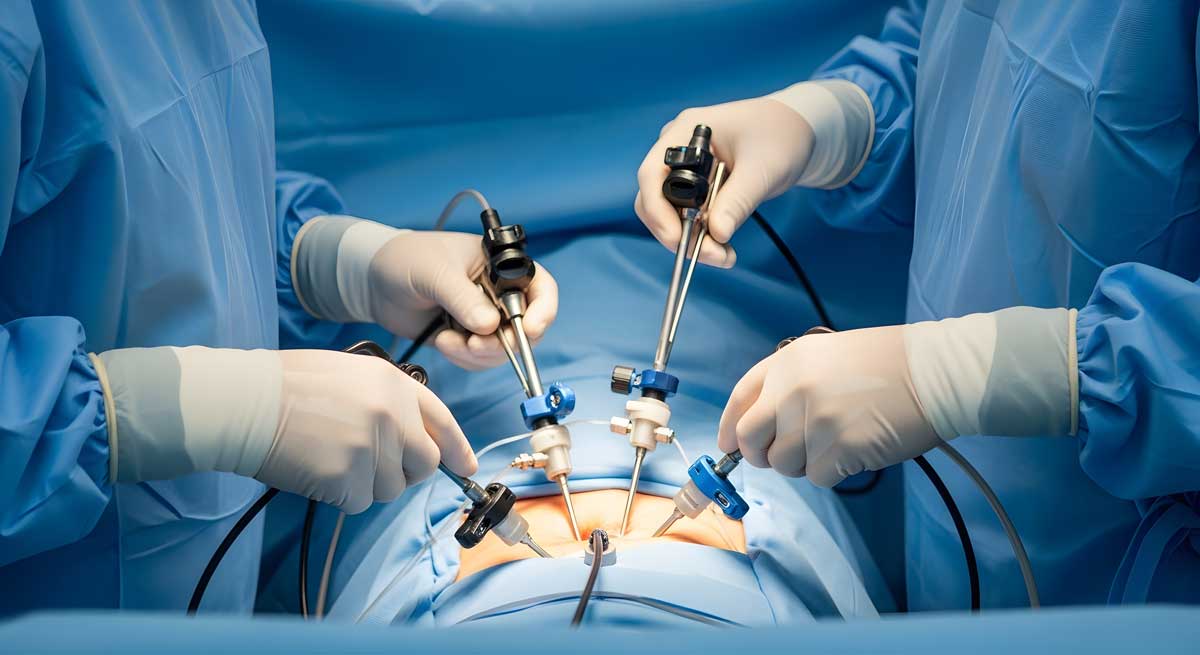
The procedure is performed laparoscopically through small incisions. After inserting a camera and specialized instruments, physicians aerosolize chemotherapy drugs into a fine mist and release them into the abdomen under controlled pressure. The pressurized environment is intended to improve drug distribution and encourage deeper penetration into tumor tissue.
Researchers believe this method may address one of the major limitations of conventional chemotherapy. Tumors growing on the peritoneal surfaces can be difficult to reach effectively, even when chemotherapy is delivered into the abdomen as a liquid. By dispersing chemotherapy as an aerosol under pressure, PIPAC may expose a larger surface area of tumor tissue to treatment.
Another potential advantage is that lower doses of chemotherapy can often be used because the medication is concentrated where the cancer is located rather than distributed throughout the entire body. In addition, the procedure can be repeated over time, allowing physicians to evaluate tumor response and adjust treatment plans as needed.
Why Researchers Are Interested in PIPAC
Peritoneal mesothelioma tends to spread across the surfaces of the abdominal cavity rather than forming a single easily removable mass. This growth pattern creates unique treatment challenges.
Many tumors develop increased internal pressure that can limit the ability of chemotherapy drugs to penetrate deeply into cancerous tissue. Researchers theorize that the pressurized delivery used in PIPAC may help overcome some of these barriers and improve drug uptake.
To better understand the therapy’s potential, investigators recently reviewed 13 studies published between 2017 and 2024 involving patients with peritoneal mesothelioma and other cancers affecting the abdominal lining. While the studies varied considerably in design and patient populations, the overall findings suggested that PIPAC may offer meaningful benefits for selected patients.
Safety and Tolerability
One of the most encouraging observations was the procedure’s overall safety profile.
Across the reviewed studies, most patients tolerated treatment reasonably well. The side effects reported most frequently were abdominal discomfort, nausea, and vomiting. Serious complications occurred relatively infrequently, affecting roughly 8% of patients.
Treatment-related deaths were rare, and many patients successfully completed multiple rounds of PIPAC therapy. This is particularly important because repeated treatments may be necessary to achieve meaningful disease control.
Several investigators also reported improvements in symptom management and overall quality of life. For patients living with advanced cancer, maintaining comfort and daily functioning can be just as important as slowing tumor growth.
Evidence of Tumor Response
Although the available research remains preliminary, several studies reported signals that tumors were responding to treatment.
In some cases, tissue samples collected during repeat procedures showed evidence of cancer regression. Other studies reported reductions in tumor burden based on imaging scans or direct surgical assessment.
Because researchers used different methods to evaluate treatment response, comparing results across studies remains difficult. Nevertheless, the overall trend suggested that PIPAC may have meaningful anti-cancer activity in at least a subset of patients.
Could PIPAC Open the Door to Surgery?
Perhaps the most intriguing possibility is PIPAC’s potential role in helping patients eventually qualify for surgery.
Patients with extensive disease are often considered ineligible for CRS-HIPEC because complete tumor removal is unlikely. However, several studies described patients whose disease became sufficiently controlled after PIPAC-based treatment that surgery later became feasible.
One report found that more than half of patients initially considered unresectable ultimately underwent CRS-HIPEC after receiving PIPAC combined with systemic chemotherapy.
Although these results were observed in relatively small patient groups, they raise the possibility that PIPAC could serve as a “conversion” or “bridging” therapy, reducing disease burden enough to make potentially curative surgery an option for some individuals.
What Do We Know About Survival?
Determining the survival impact of PIPAC remains challenging because most studies have involved small numbers of patients and frequently included several different cancer types.
Even so, reported outcomes have been encouraging. Across various studies, median overall survival ranged from approximately 15 months to more than 26 months. Data from an international PIPAC registry showed a median survival of 33.5 months among patients receiving PIPAC-directed treatment.
These figures compare favorably with historical outcomes for advanced peritoneal mesothelioma. However, researchers emphasize that definitive conclusions cannot yet be drawn because randomized clinical trials are still lacking.
The Need for Better Evidence
Despite growing enthusiasm, PIPAC remains an investigational treatment in many settings.
Most published studies have been retrospective analyses or small prospective trials. Larger studies are needed to determine which patients are most likely to benefit, how often treatments should be administered, and how PIPAC should be integrated with surgery, systemic chemotherapy, immunotherapy, and other emerging treatments.
One study that aimed to answer some of these questions was the MESOTIP trial, which compared standard chemotherapy alone with chemotherapy plus PIPAC. Unfortunately, the trial was halted after unexpected serious adverse events occurred in the combination-treatment group. Although the study did not reach completion, researchers may still be able to learn valuable lessons from the data collected before enrollment stopped.
Looking Ahead
PIPAC represents a novel strategy for treating cancers that spread throughout the abdominal cavity, including peritoneal mesothelioma. Early evidence suggests the procedure is generally well tolerated, may reduce tumor burden, and could potentially help some patients become candidates for surgery when they otherwise would not have been.
Many questions remain unanswered, and further research is essential before PIPAC can be considered a standard treatment. Nevertheless, the results seen so far provide reason for cautious optimism. As ongoing studies continue to evaluate this approach, physicians and patients may gain an important new option for managing a disease that has historically been difficult to treat.
Mesothelioma Continues to Leave a Lasting Mark Across the United States, New Research Finds
Despite decades of asbestos regulations and a significant decline in workplace exposure, mesothelioma remains a serious public health challenge in the United States. New research examining national trends from 1990 through 2023 highlights the ongoing impact of this rare but aggressive cancer and underscores why awareness, prevention, and patient support remain critically important.
Mesothelioma is caused primarily by exposure to asbestos, a mineral that was widely used for much of the twentieth century in construction materials, industrial equipment, shipbuilding, manufacturing, and military applications. Although asbestos use has decreased substantially, the disease’s exceptionally long latency period means that many people are still being diagnosed decades after their initial exposure.
The Legacy of Past Asbestos Exposure
One of the most challenging aspects of mesothelioma is that symptoms often do not appear until 20 to 50 years after asbestos fibers enter the body. As a result, individuals exposed in the 1970s, 1980s, and even earlier may only now be receiving a diagnosis.
Researchers analyzing nationwide data found that mesothelioma continues to cause a substantial number of deaths and years of life lost. While some improvements have been made in reducing occupational asbestos exposure, the disease remains a significant burden for patients, families, and healthcare systems.
The findings serve as a reminder that asbestos-related diseases are not simply historical concerns. The consequences of widespread asbestos use continue to be felt throughout the country.
Geographic Differences Remain Significant
The study also revealed notable differences in mesothelioma burden across various states and regions.
Areas with strong historical ties to shipbuilding, manufacturing, mining, and other industries that heavily used asbestos often continue to experience elevated rates of disease. These regional patterns reflect occupational exposures that occurred many years ago and demonstrate how industrial history can influence health outcomes for generations.
Understanding these geographic trends may help public health officials better target educational initiatives, screening efforts, and patient support resources in higher-risk communities.
Women Represent an Important Part of the Story
Although mesothelioma has traditionally been viewed as a disease affecting men because of occupational exposure patterns, researchers found that women continue to account for a meaningful share of cases and deaths.
Many women developed mesothelioma through non-occupational exposure, including contact with asbestos brought home on work clothing or exposure from asbestos-containing products and materials in homes and communities. These findings highlight the broader reach of asbestos-related disease and the need for continued awareness among both men and women.
Survival Challenges Persist
Treatment options for mesothelioma have advanced over the past decade, particularly with the introduction of newer immunotherapy approaches. Even so, overall survival remains poor for many patients, especially when the disease is diagnosed at a later stage.
Researchers noted that improvements in outcomes have been modest, emphasizing the need for continued investment in mesothelioma research, earlier detection strategies, and access to specialized treatment centers.
Clinical trials continue to explore new therapies that may improve survival and quality of life for patients facing this difficult diagnosis.
What These Findings Convey
The new analysis reinforces a reality that mesothelioma advocates, physicians, and patients have long understood: asbestos-related disease remains an ongoing problem rather than a closed chapter in public health history.
Because mesothelioma develops many years after exposure, today’s diagnoses often reflect workplace and environmental conditions from decades ago. At the same time, asbestos remains present in many older buildings, homes, and industrial sites, creating continued opportunities for exposure if materials are disturbed during renovation or demolition.
The study’s authors conclude that continued surveillance, prevention efforts, and support for research are essential to reducing the future burden of mesothelioma. While progress has been made in limiting asbestos exposure, the effects of past use continue to affect thousands of Americans and their families every year.
For patients and caregivers, the findings offer an important reminder that mesothelioma remains an active area of medical research and public health concern. Continued awareness and early attention to symptoms among individuals with a history of asbestos exposure may help improve access to treatment and support when it matters most.

Inside Mesothelioma Care: Dr. Jeffrey Velotta on Surgery and Treatment
Mesothelioma is diagnosed in roughly 2,000 to 3,000 Americans each year, making it one of the rarest and most technically demanding cancers in thoracic medicine. Dr. Jeffrey Velotta, a thoracic surgeon who leads the mesothelioma surgical program at Kaiser Permanente in Northern California, recently joined Belluck Law‘s podcast Raise Plow to discuss where treatment stands today, including its genuine advances, its unresolved controversies, and the practical realities patients and families face after a diagnosis.
Built on High-Volume Training
Dr. Velotta’s approach to mesothelioma was shaped at Brigham and Women’s Hospital under Dr. David Sugarbaker, long considered the field’s foremost authority. At its peak, the Brigham performed approximately 200 mesothelioma surgeries annually. Surgeons there saw dozens of patients in clinic each week and operated on five to six per week, a volume that simply does not exist at most hospitals. That depth of experience is not incidental to outcomes. Surgeons who encounter mesothelioma once or twice a year cannot realistically achieve the same mastery as those working in dedicated, high-volume programs. Dr. Velotta’s time there gave him both the technical foundation and the clinical perspective that now inform his work at Kaiser, where he co-leads a multidisciplinary tumor board alongside medical oncologist Dr. Jennifer Suga.
Evolution from Lung Removal to Lung Preservation
For decades, the extrapleural pneumonectomy (EPP) was the standard surgical option for eligible mesothelioma patients. The procedure removes the affected lung entirely, along with surrounding pleural tissue and, in some cases, portions of the diaphragm and pericardium. It is aggressive by design, intended to eliminate as much disease as possible in a single operation.
The field has since moved substantially toward pleurectomy and decortication (P/D), a lung-sparing procedure that strips away the cancerous pleural lining while leaving the lung intact. The clinical rationale is straightforward: preserving the lung lowers morbidity, reduces mortality, and improves the patient’s recovery trajectory. Dr. Velotta noted that he has not performed an EPP in several years, a reflection of how thoroughly practice norms have shifted at experienced centers.
Mesothelioma surgery of either type remains among the most technically complex procedures in modern thoracic medicine. Unlike the majority of thoracic operations, which are now performed minimally invasively, mesothelioma surgery still requires large open incisions. Surgeons must dissect tumor from the aorta, the esophagus, the heart, and the lung itself. The difficulty of this work amplifies the importance of receiving care from a team that performs it regularly.
A Trial That Divided the Field
The most contentious development in recent mesothelioma research is the MARS-2 Trial, a randomized controlled study that compared outcomes between patients treated with chemotherapy alone versus those treated with chemotherapy combined with surgery. The trial concluded that surgery did not improve survival and may have been harmful, a finding that led some oncology programs to move away from surgical treatment altogether.
Dr. Velotta and a significant portion of American thoracic surgeons have raised substantial methodological concerns with that conclusion. The trial enrolled patients indiscriminately, including individuals with advanced disease who would not typically be considered surgical candidates at experienced U.S. centers. The reported ninety-day surgical mortality in the study was approximately nine percent, a figure that Dr. Velotta noted stands well above the under-two-to-three percent mortality seen at high-volume programs. Applying results from a study with that kind of mortality rate to the broader practice of specialized centers is, in his view, an overreach. The controversy has not been resolved, but it has had real consequences, reshaping institutional policies and narrowing surgical access for patients who might genuinely benefit.
Combining Therapies for Better Outcomes
Dr. Velotta is direct about the limits of surgery as a standalone intervention. No surgeon credibly claims that removing tumor tissue alone will cure mesothelioma. The operative goal is to reduce the burden of disease as much as possible while setting the stage for additional systemic therapies.
At Kaiser, this translates into a sequential multimodal strategy. Patients who are candidates for surgery receive the procedure first, followed by chemotherapy regimens typically built around cisplatin or carboplatin combined with pemetrexed. Immunotherapy is incorporated for select patients, particularly those with more aggressive disease subtypes. Patients who complete the full sequence tend to achieve the longest survival. The integrated care model at Kaiser, where all treating physicians, hospitals, and nursing staff operate within a single coordinated system, helps ensure that patients move through each phase of treatment without the logistical fragmentation that can compromise outcomes at less connected institutions.
Emerging Intraoperative Approaches
Dr. Velotta is also exploring a newer intraoperative technique involving heated betadine, a solution with demonstrated tumoricidal effects on mesothelioma cells. The approach offers a potential advantage over heated chemotherapy, which has been associated with increased complication rates, while still targeting residual cancer cells at the surgical site. Long-term outcome data is still being gathered, but the technique represents the kind of incremental refinement that characterizes how the field continues to develop between major trial results.
The Financial and Legal Dimension
A diagnosis of mesothelioma carries consequences that extend well beyond the clinical. The disease is causally linked to asbestos exposure, a connection Dr. Velotta described as straightforward: there is a clear cause-and-effect relationship between asbestos and the development of mesothelioma. For most patients, the exposure occurred decades earlier in occupational settings, often without adequate warning or protection.
Treatment costs, travel to specialized centers, and the physical toll of aggressive therapy create significant financial strain for patients and their families. Because most patients face a prognosis measured in years rather than decades, proactive legal and financial planning is genuinely important. Compensation through asbestos trust funds and litigation can provide meaningful support during an extraordinarily difficult period, and Dr. Velotta acknowledged that pursuing that avenue is, from his perspective, a sensible and often necessary step.
The Clearest Takeaway for Patients
Mesothelioma care is at a genuine inflection point. Research is actively evolving, institutional practices differ substantially, and the debate over surgery’s role in treatment continues. Against that backdrop, the most consistent guidance from specialists like Dr. Velotta is straightforward: seek out physicians and centers that treat mesothelioma at high volume, and insist on a personalized treatment plan from a multidisciplinary team. The rarity of the disease means that general oncologists and community hospitals will rarely have the accumulated experience to navigate it well. Finding those who do can make the difference between adequate care and the best available care.
Watch the Full Interview with Dr. Velotta

Free Mesothelioma Patient & Treatment Guide
We’d like to offer you our in-depth guide, “A Patient’s Guide to Mesothelioma,” absolutely free of charge.
It contains a wealth of information and resources to help you better understand the condition, choose (and afford) appropriate treatment, and exercise your legal right to compensation.
Download Now