Author: Joseph Belluck
Older Patients Burdened by Mesothelioma and Lung Cancer Treatments
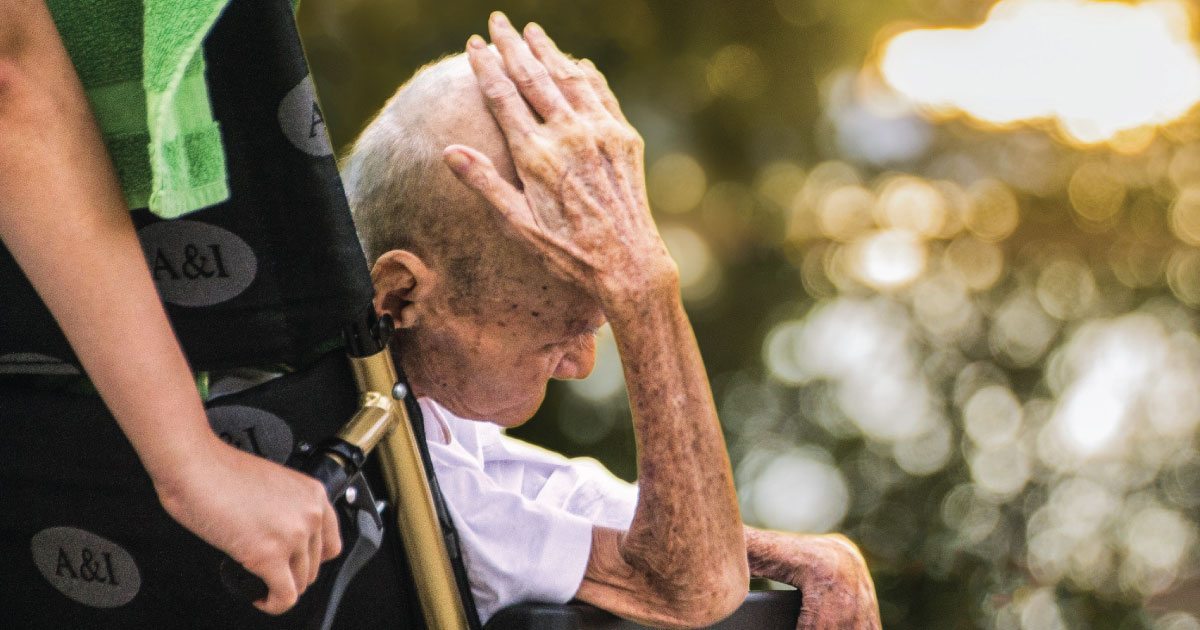
The American Cancer Society reports that lung cancer mainly occurs in older people, with about two out of three lung cancer patients aged 65 or older. The average age at the time of diagnosis is about 70. Pleural mesothelioma, a cancer caused by exposure to asbestos, produces tumors that grow uncontrollably in the lining of the lung and is equally as aggressive and difficult to treat as lung cancer. About three out of four people with mesothelioma are older than 65 years. Now, researchers report that these older patients “face a significant treatment burden” when diagnosed with cancer.
According to a Jan. 10 article in Medical News Today, this older population of patients may face spending one-third of their time interacting with medical teams for the 60 days following surgery or radiation. Previous research has shown that nearly half of older cancer patients have medical problems that also need to be addressed such as reduced physical functioning, nutritional deficiencies, fatigue and depression. Pointing to all of these issues, researchers from Yale found after treatment for cancer, older patients saw an average of 20 different physicians and took 12 different medications.
“To our knowledge, this is the first study to characterize treatment burden for early-stage lung cancer patients in terms of touches with the healthcare system, including emergency department visits, hospital-based follow-up care, number of physicians, and outpatient visits,” said first author Carolyn Presley, M.D., instructor at Yale Cancer Center and a Robert Wood Johnson Clinical Scholar at Yale School of Medicine.
This news may come as no surprise to many in the mesothelioma community who have battled pleural mesothelioma themselves or who stood by their loved one as they underwent treatment. Battling any disease for the older population is difficult, but dealing with a painful, incurable cancer can be extremely challenging. Treatment for mesothelioma is often a complex regimen including surgery, chemotherapy and radiation. These treatments also come with a set of side effects that can lead to more medical challenges in an older patient.
“These findings highlight a need to improve cancer care coordination. It’s also a call for providers to think about the burden we might be placing on patients,” said Carolyn Presley, M.D.
While the average survival time of mesothelioma patients typically varies from 4 – 18 months after diagnosis, many factors determine the life expectancy. Factors include type and stage of mesothelioma, treatment plan, whether the patient has ever smoked, the lifestyle, diet and fitness level of the patient, as well as age, sex and family traits.
Read the full study in the January issue of Journal of Oncology Practice.

Vitamin C May Kill Mesothelioma Cancer Cells
Research has shown that the antioxidant effects of vitamin E could protect healthy cells from the damaging effects of free radicals helping to keep cancer at bay. Vitamin C has also been studied for its impact on cancer with research showing the vitamin can limit cancer cell growth in mesothelioma, colon cancer, and prostate cancers, among others. Now, researchers report that high-dose, intravenous delivery of Vitamin C in lung cancer patients could kill the cancer cells.
According to a Jan. 9 article in the Science Daily, researchers from the University of Iowa believe that many attempts at using Vitamin C in cancer care have failed because delivery has been oral. However, in their study, high doses of Vitamin C were given intravenously. This method of delivery, as opposed to oral delivery, results in very high blood levels of vitamin C – 100-500 times higher – by bypassing normal ingestion and excretion processes. According to the researchers, “It is this super-high concentration in the blood that is crucial to vitamin C’s ability to attack cancer cells.” At this high level, cancer cells are killed, but the other cells are left intact.
The researchers used a mouse study to understand the underlying biological processes of the high-dosage vitamin C and cancer.
The team found that when vitamin C breaks down it generates hydrogen peroxide that can lead to tissue and DNA damage. Normal cells can process, or remove, the peroxide, but cancerous cells cannot making the cancer cells more prone to death when they are hit with high doses of vitamin C. The researchers determined that the healthy cells used an enzyme called catalase to decompose the vitamin and remove the hydrogen peroxide keeping the cells healthy and undamaged. Not so for the cancerous cells, they had lower amounts of catalase, thus, making them more susceptible to death with high amounts of vitamin C.
“Our results suggest that cancers with low levels of catalase are likely to be the most responsive to high-dose vitamin C therapy, whereas cancers with relatively high levels of catalase may be the least responsive,” said Garry Buettner, a professor of radiation oncology and a member of Holden Comprehensive Cancer Center at the University of Iowa.
A future goal of the research is to develop methods to measure catalase levels in tumors, said Buettner.
Pleural mesothelioma is a serious and rare cancer affecting the lining of the lungs in individuals who were exposed to asbestos fibers in the past. Like lung cancer, mesothelioma is highly aggressive and is resistant to many standard cancer treatments, making breakthroughs of effective treatments critical to the mesothelioma community. Currently there is no known cure for mesothelioma, and the average survival time varies from 4 – 18 months after diagnosis.
The treatments for lung cancer and pleural mesothelioma are very similar bringing hope to the mesothelioma community when success is seen in studies in the lung cancer community. Continued research for bringing improved treatment options to mesothelioma patients can increase survival and improve their quality of life.
Read the full study in the Dec. 2016 issue of Redox Biology.
Protein Overexpression Points to Pleural Mesothelioma
Proteins are essential for normal cell structure and function and can support critical biological processes such as enzymes for metabolism and antibodies for immune defense. However, when a protein becomes over-expressed it can lead to illness and disease. Now, researchers report that high levels of the protein FGF18 can point to pleural mesothelioma.
Researchers from the Medical University of Vienna, Austria, joined by scientists from Switzerland and Australia, reported at the 17th Annual World Conference on Lung Cancer in Austria in Dec. that the Fibroblast Growth Factor 18 (FGF18) pointed to malignant pleural mesothelioma when overexpressed and could be used as both a diagnostic and prognostic marker.
The researchers measured levels of FGF18 in 107 patients with pleural mesothelioma and 49 healthy volunteers. They found that the plasma levels of FGF18 was “significantly elevated” in the mesothelioma patients. In addition, they found that the mesothelioma patients with FGF18 levels below the median had “significantly longer overall survival” than those patients with high FGF18 levels.
“The identification of novel biomarkers is urgently needed in order to identify patients with a better prognosis and to support personalized therapeutic decisions,” noted the authors. “In our previously published study, we were able to show that fibroblast growth factor 18 (FGF18) is overexpressed in MPM [malignant pleural mesothelioma] tissue specimens and cell models.”
FGF18, according to the GeneCards website, plays an important role in the regulation of cell proliferation. The protein is in a variety of biological processes including embryonic development, cell growth, and tumor growth and invasion.
Pleural mesothelioma is a cancer that develops decades after exposure to the mineral asbestos. The microscopic fibers are inhaled and become embedded in the lining of the lungs where they eventually become inflamed and can lead to cancer. Nearly 3,000 Americans are diagnosed with the terminal cancer each year.
Continued research into finding the biomarkers that can lead to mesothelioma and effective treatments for those biomarkers is critical to increase survival for patients. The prognosis for mesothelioma patients is often less than 18 months.
To find out more about this study see the January 2017 issue of the Journal of Thoracic Oncology.
Sources:
- 17th Annual World Conference on Lung Cancer in Austria
http://www.cancertherapyadvisor.com/iaslc-2016/malignant-pleural-mesothelioma-new-biomarker-identified/article/576850/ - Journal of Thoracic Oncology
http://journals.lww.com/jto/Pages/default.aspx?PAPNotFound=true - GeneCards website
http://www.genecards.org/cgi-bin/carddisp.pl?gene=FGF18

Dr. Friedberg Finds New Home in Maryland, His Groundbreaking Mesothelioma Research Follows Him
 In June 2012, Dr. Joseph Friedberg, then co-director of the Penn Mesothelioma and Pleural Program, reported in the Annals of Thoracic Surgery that he and his medical team achieved an “unusually long survival” in mesothelioma patients undergoing surgery and photodynamic therapy (PDT).
Now, over four years later, Dr. Friedberg is heading up the University of Maryland Medical Center’s Mesothelioma and Thoracic Oncology Treatment and Research Center and has seen continued success with the lung-sparing radical pleurectomy/decortication (P/D) surgery, a complicated surgery that involves stripping away the diseased membrane lining the lung but keeps the lung intact.
“This [mesothelioma] is among the most virulent cancers known to man, and we have a long way to go, but it’s encouraging to have achieved results we can report in years not months even for these patients with such advanced disease,” said Dr. Friedberg said in a Dec. 14 press release.
In a study of 73 patients Dr. Friedberg operated on at Penn Medicine, who then received a therapy using a photosensitizing agent and light to kill microscopic cancer cells followed by chemotherapy (92% of patients), overall median survival was just one month shy of three years. Astonishingly, 19 of the patients saw that figure rise to 7.3 years. The team also reported that overall survival was three times higher than disease-free survival, the length of time until the cancer recurs.
“When you take the [entire] lung out, it’s a significant compromise in quality of life,” said Dr. Friedberg. “Although, from a technical perspective, it is more challenging to save the lung than to sacrifice it, it does appear that this technique helps to not only extend life but to also preserve quality of life.”
Pleural mesothelioma arises from asbestos fibers becoming lodged in the thin membrane encasing the lungs. Patients often are exposed to asbestos while working as plumbers, pipefitters, insulators, electricians, mechanics and certain other occupations. Mesothelioma symptoms, such as coughing and difficulty with breathing, tend to develop decades after the initial asbestos exposure. There is no cure for the cancer that affects nearly 3,000 Americans each year.
Expert Insight
“Under Dr. Friedberg’s leadership, our new Mesothelioma and Thoracic Oncology Treatment and Research Center is fast becoming a major center for important scientific discovery as well as highly specialized, multidisciplinary care for patients with mesothelioma and other thoracic cancers.”
Oncology surgeons must choose between P/D or extrapleural pneumonectomy when deciding to operate on pleural mesothelioma patients. The former spares the lung, whereas the latter is a radical procedure that involves removing the patients diseased lung as well as the possible removal of the diaphragm, the pericardium and other extrapleural tissue.
These patient results are encouraging and they give hope to mesothelioma patients and their families. The mesothelioma community hopes for continued success and for more developments involving this treatment method.
MesotheliomaHelp encourages those diagnosed with mesothelioma to research all possible treatment options and to seek out mesothelioma specialists such as Dr. Friedberg.
The full study can be found in the Jan. issue of Annals of Thoracic Surgery.

2017 New Year’s Resolutions for the Mesothelioma Community
It is the start of a new year, and with it comes an opportunity to change behaviors, break bad habits or to simply re-evaluate what is important to you. We all have 365 days in 2017 to make a difference for ourselves and for others – so let’s make good use of each day!
Establishing a list of resolutions can help you stick to your goals or just give you a way to organize your thoughts to see what you want from 2017.
Here are some suggestions for New Year’s resolutions for mesothelioma patients, their families and caregivers.
Manage mesothelioma and its symptoms with a complete treatment plan, but make sure to focus on your mind as well.
Engage in fun activities.
Share your story with others to help educate them about mesothelioma.
Organize your paperwork by keeping a file of important medical information, insurance papers and other critical documents.
Treat yourself to something special.
Help others in the mesothelioma community by offering them insights from your experiences.
Eat out with a friend, or invite them over for carry out.
Live life fully and look forward to whatever the next day may bring.
Insist on the best care from your medical team.
Open up to family, friends and medical professions and ask for help when needed.
Make sure to let your caregivers know they are appreciated.
Always stay positive.
Happy New Year and Best Wishes for 2017!

Free Mesothelioma Patient & Treatment Guide
We’d like to offer you our in-depth guide, “A Patient’s Guide to Mesothelioma,” absolutely free of charge.
It contains a wealth of information and resources to help you better understand the condition, choose (and afford) appropriate treatment, and exercise your legal right to compensation.
Download Now