Author: Joseph Belluck

Targeting the “Cellular Post Office” May Halt Mesothelioma Growth
One of the most critical breakthroughs needed to slow the number of patients dying from aggressive cancers, including lung cancer and mesothelioma, is to find an effective way to stop the cancer cells from dividing and migrating to other organs. Once cancer metastasizes, the battle to save the patient is significantly more challenging. Now, researchers from England and the U.S. have joined forces to find a way to stop this cancer growth, and they report that it is the “cellular post office” that should be targeted.
Researchers at the University of York and the University of Texas MD Anderson Cancer Center came together to find a way to halt the growth of lung cancer by looking at a key line of communication among cancer cells. The “cellular post office,” or the Golgi apparatus, gathers proteins into a ‘package’ (vesicles) and transports them to areas outside of the cells, thus allowing cancer to metastasize and grow.
The researchers identified two proteins, PAQR111 and Zeb1, that communicate allowing the cancer cells to break free from the lungs and travel throughout the body. The communication takes place in the Golgi, according to a Nov. 24 press release from the University of York.
“Now that we recognise this system, there is the potential to develop a drug that interferes with this communication and prevents the Golgi apparatus from facilitating the movement of the membrane sacks,” said Dr. Daniel Ungar, from the University of York’s Department of Biology, in a Nov. 24 press release from the University of York.
Pleural mesothelioma, a cancer of the lining of the lungs caused by past asbestos exposure, is one cancer that is highly aggressive and spreads quickly to other sites. Survival is typically one year after diagnosis. Research shows that metastasis is the cause of nearly 90 percent of cancer deaths, making it critically important that researchers fully understand how to stop metastasis to increase survival in mesothelioma patients.
See the Nov. 21 issue of The Journal of Clinical Investigation for the full study.
New Blood Test for Lung Cancer May Guide Mesothelioma Treatment
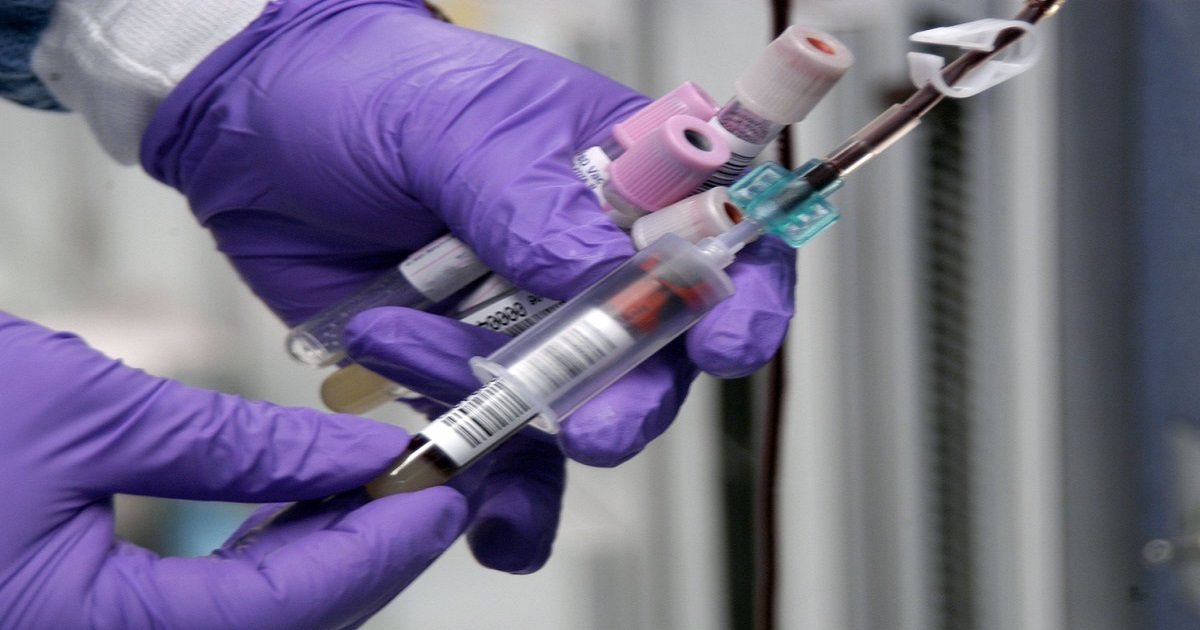
In September, MesotheliomaHelp reported German researchers found that liquid biopsies can be used tomonitor lung cancer patients’ response to treatment in real-time. Now, another team of researchers report a blood test may be useful for identifying “how well and how long a patient might respond to chemotherapy.” For mesothelioma patients who also stand to benefit from this finding, this can mean the difference in their survival.
Researchers from the Cancer Research UK Manchester Institute set out to find a way to distinguish whether cancer cells would be chemosensitive, responsive to chemotherapy, or chemoresistant, resistant to the treatment in small-cell lung cancer (SCLC) patients. Like pleural mesothelioma, a cancer caused by past asbestos exposure, SCLC is highly aggressive requiring an equally aggressive treatment, but finding the correct anti-cancer agent is critical.
The researchers examined the circulating tumor cells (CTCs), cancer cells that breakaway and escape into the bloodstream where they circulate and migrate to other organs in the body, in over 30 patients with SCLC. The researchers discovered “patterns of a genetic fault” were linked to how well the selected chemotherapy would work. The team identified a classifier that correctly assigned 83.3% of the cases as chemorefractory or chemosensitive.
“Unfortunately, we have very few treatment options for patients with SCLC, and none at all for those whose cancer is resistant to chemotherapy,” said lead researcher Professor Caroline Dive in a Nov. 21 press release from Cancer Research UK Manchester Institute at The University of Manchester. “Our study reveals how blood samples could be used to anticipate how lung cancer patients may respond to treatments.”
http://www.cruk.manchester.ac.uk/news?newsId=146
Often called “asbestos cancer,” mesothelioma is highly aggressive and is resistant to many standard cancer treatments. Currently, there is no known cure for mesothelioma, and the average survival time varies from 4 – 18 months after diagnosis. Patients with lung cancer and mesothelioma often undergo the same treatment protocol, so a breakthrough like this brings hope to the the mesothelioma community.
“By identifying differences in the patterns of genetic faults between patients, we now have a starting point to begin to understand more about how drug resistance develops in patients with this aggressive form of lung cancer.”
The full study can be found in the Nov. 21 issue of Nature Medicine.
http://www.nature.com/nm/journal/v22/n3/full/nm.4041.html
Stopping Mesothelioma Tumors From Reaching Blood Supply May Improve Survival
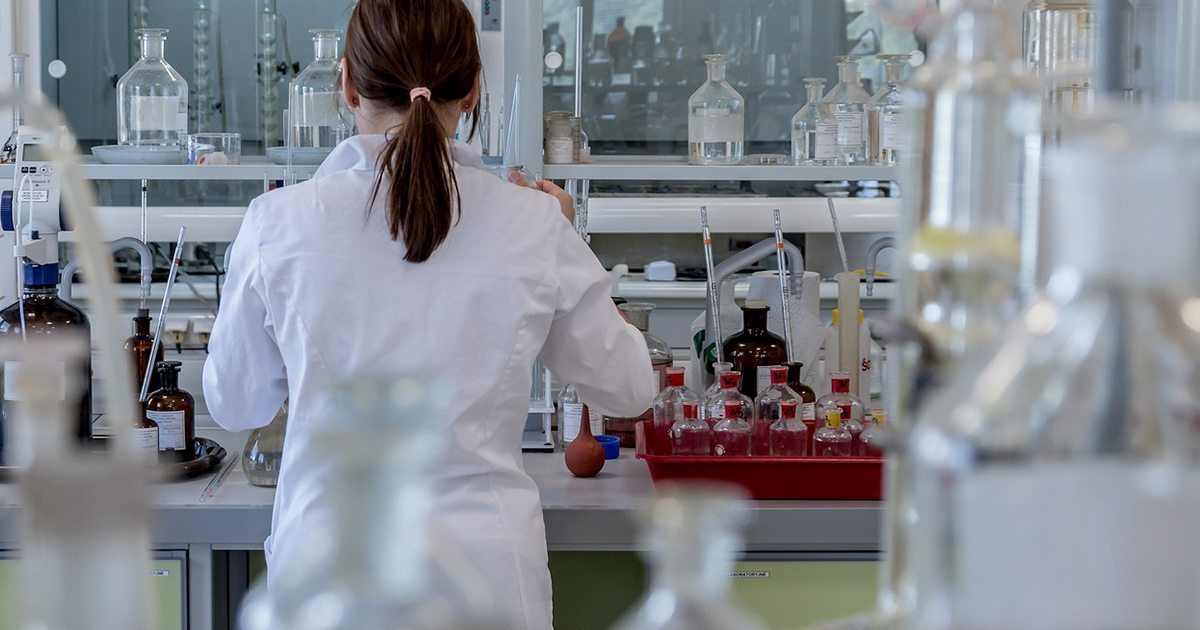
Mesothelioma is a signature cancer of asbestos, affecting the lining of the lungs or abdomen. The cancer is extremely aggressive, and the cancer cells continue to grow and multiply as additional blood vessels develop bringing more food and oxygen to them. Now, researchers believe they have found the key to the way mesothelioma tumors tap into blood vessels opening the door for “treatments to prolong life” for patients.
Researchers from the Flinders University of Adelaide, Australia report they have found that mesothelioma tumors do not wait for blood vessels to form, rather the cancer cells actually “transform into blood vessels” fueling their own growth. According to a Nov. 14 article from ABC Australia, the discovery will better help scientists understand how to treat the insidious asbestos-caused cancer.
“Instead of waiting for the outside of the tissue to grow blood vessels in, the tumour cells themselves branch out, growing blood vessels that reach out into surrounding tissues, tapping into the native vasculature,” said lead researcher Associate Professor Sonja Klebe.
There are cancer treatments available that are designed to inhibit the formation of new blood vessels to tumors, slowing the growth and spread of the tumors. Avastin, sometimes used in mesothelioma treatment, was the first U.S. Food and Drug Administration – approved biological therapy designed to inhibit blood vessel formation.
According to Klebe, however, these treatments target the blood vessels that grow into the cancer as opposed to the other way around. She believes treatments need to look at both approaches to ultimately starve the tumors of blood.
“I think a cure for mesothelioma is not on the horizon in the immediate future, largely because we don’t detect the tumours early enough,” Klebe said.”But I think we are closer to finding treatments that will prolong life, with less impacts on quality of life.”
Nearly 3,000 Americans are diagnosed with mesothelioma each year and nearly the same number die from the cancer. According to the article, twelve Australians die each week from mesothelioma and the country has one of the highest rates of the disease in the world. Currently, there is no cure for the cancer. Finding an effective way to stop tumor growth is needed to improve survival and quality of life in mesothelioma patients.

Wishing the Mesothelioma Community A Happy Thanksgiving
Although today can be a challenging day for anyone in the mesothelioma community who is dealing with health issues, try to take some time today to give thanks for the blessings in your life.
If you are in a mesothelioma treatment program, take advantage of the support services and counseling services offered to help you cope with the holidays. They can give you a healthy perspective on your feelings.
At their best, the holidays can be a time of reflection, thanksgiving and spiritual growth. You may reflect on the support you’ve received from loved ones, the compassion of caregivers and the blessings of family during the holidays.
Expert Insight
Meister Eckhart, German Philosopher
“If the only prayer you ever say in your entire life is thank you, it will be enough.”
Best wishes for a happy Thanksgiving from all of us at Mesothelioma Help.
Sending Thanks to All This Thanksgiving
This Thanksgiving, I would like to take a moment to thank each of you for the opportunity to tell my family’s story. It has been a beautiful experience to be able to share our struggles and triumphs with you. Being able to express my thoughts through writing has been cathartic for me, and has helped me cope with the loss of my father.
Over the past several years, many people have reached out to me. I hope that I have been of some help and support to you. It is an honor that you considered me and have shared your journey as well; I am truly humbled by this entire experience.
One thing that I learned from my Dad was to always be happy with whatever you have. Whatever lot God has given you, delight in it. Even if you are going through a hard time, be glad that you have been given another day to fight. There is a quote that I read from a gentleman named Rick Warren that goes as follows:
“Happy moments, PRAISE GOD
Difficult moments, SEEK GOD
Quiet moments, WORSHIP GOD
Painful moments, TRUST GOD
Every moment, THANK GOD”
What a true and beautiful sentiment this Thanksgiving. I pray that you all have a wonderful holiday with those you love, holding each moment close to your heart.

Free Mesothelioma Patient & Treatment Guide
We’d like to offer you our in-depth guide, “A Patient’s Guide to Mesothelioma,” absolutely free of charge.
It contains a wealth of information and resources to help you better understand the condition, choose (and afford) appropriate treatment, and exercise your legal right to compensation.
Download Now